Crack Filling in Joplin, MO
Catching Damage While It's Still Cheap to Fix
A crack in asphalt is really just an entry point. Once water gets past the surface, it reaches the base layer underneath, and that's where the real damage starts. Missouri's freeze-thaw winters make this worse than most places. Water trapped in a crack freezes, expands, and widens the opening a little more every cycle. By spring, what started as a hairline crack can be a pothole.
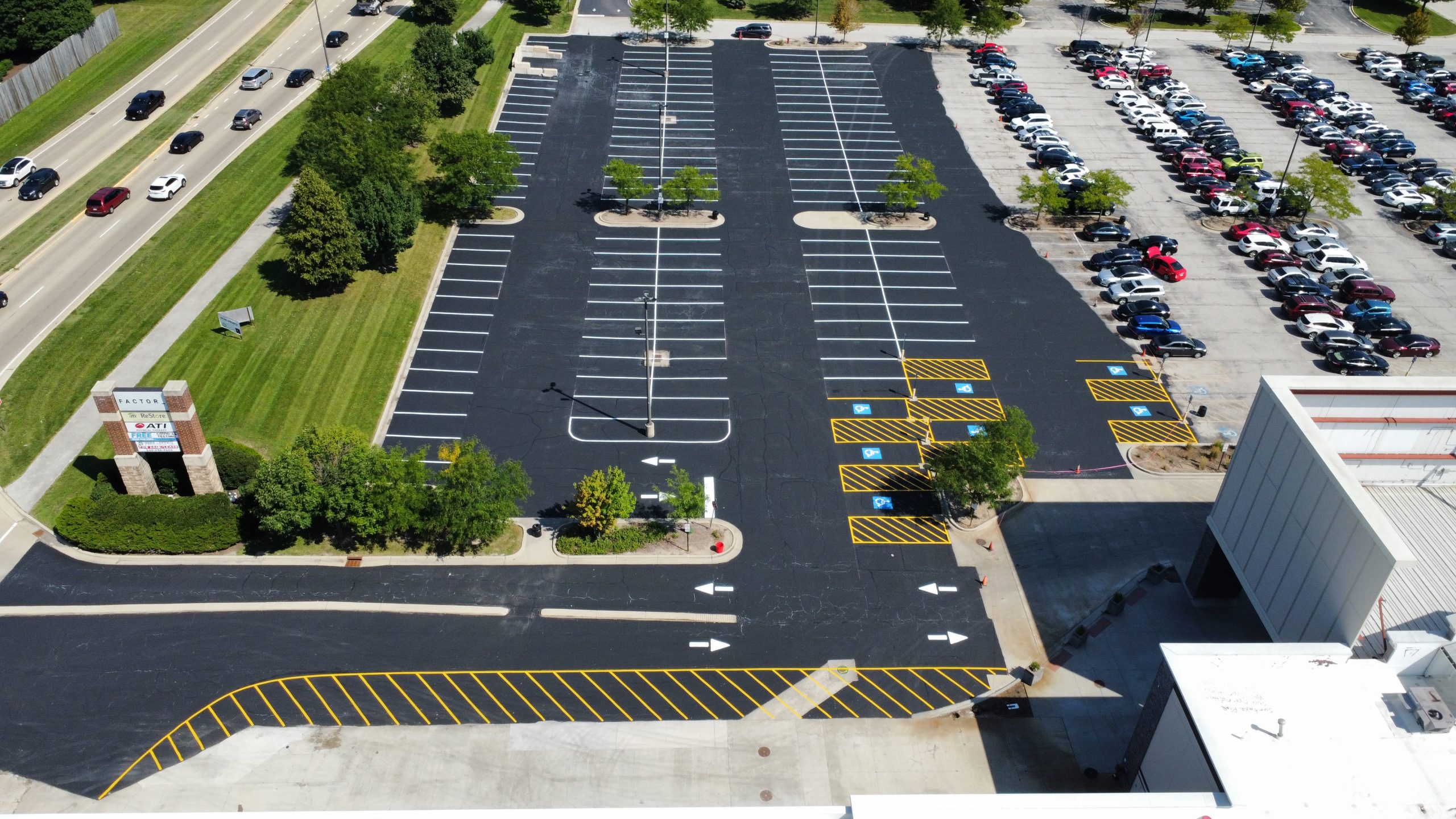
417 Striping & Sealing seals cracks by crack filling in Joplin before they reach that point, from retail lots along Range Line Road to driveways in established neighborhoods. This matters just as much for a quiet residential driveway as it does for a high-traffic commercial property. Water doesn't care how busy the lot is — it just needs a way in.
What Our Crack Filling Services in Joplin Includes
Every Step Done Right With Professional Crack Filling in Joplin
Hot Pour Crack Sealing
We use a hot applied, rubberized sealant for crack filling in Joplin that stays flexible as temperatures shift. Unlike a rigid filler, it expands and contracts along with the asphalt instead of cracking again at the seam.
Routing & Crack Preparation
Dirt, loose asphalt, and vegetation growing in a crack all prevent sealant from bonding properly. We clean each crack out before crack filling in Joplin, so the seal actually holds instead of failing within a season.
Alligator Crack Assessment
A web of interconnected cracks usually means the damage has moved past the surface and into the base layer. When we see this pattern, we'll tell you honestly whether crack filling will hold or whether the area needs full repair instead.
Pre-Sealcoat Crack Treatment
If sealcoating is part of your plan, crack filling has to happen first. Sealing over an open crack just traps water underneath the new coating, which causes it to fail early.
Parking Lot & Driveway Crack Repair
Scale doesn't change the approach. Whether it's a few cracks on a home driveway or a network of them across a commercial lot, we treat each one the same way: clean, fill, seal.
Properties We've Treated Across Joplin
From Driveways to Warehouses: Crack Filling in Joplin
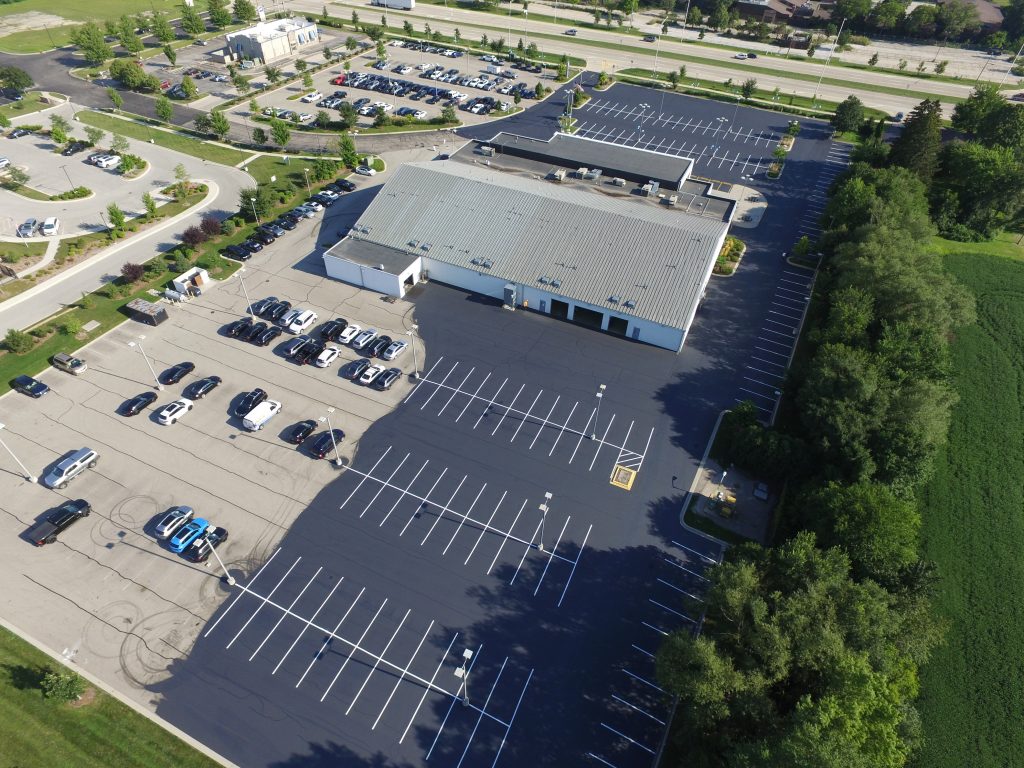
Retail centers and shopping plazas along Range Line Road
Restaurants and quick-service properties
Medical and healthcare facilities near Joplin's medical district
Office buildings and professional spaces
Churches and community organizations
Warehouses and industrial sites near Crossroads Business Park
Newly built commercial developments
Residential driveways throughout Joplin's neighborhoods
FAQs
Common Questions About Crack Filling in Joplin
1. What does a typical crack filling job cost in Joplin?
Crack filling in Joplin cost scales with how much cracking there is and how severe it’s gotten. We give you a specific number after walking the property, not a flat rate over the phone.
2. Why does cracking seem to get worse every winter?
Water that’s already inside a crack freezes and expands during cold weather, then thaws and contracts again. Each cycle makes the crack a little bigger, which is why untreated cracks tend to snowball through a Missouri winter.
3. Does a busy property on Range Line Road need crack filling more often than a quiet lot?
Usually, yes. More traffic puts more stress on the asphalt surface, which can speed up how fast new cracks form compared to a low-traffic property.
4. Is crack filling in Joplin a permanent fix, or does it need to be repeated?
It’s maintenance, not a one-time solution. Hot pour sealant typically holds for one to three years before it needs to be reassessed, depending on traffic and weather exposure.
5. Can I skip crack filling in Joplin and go straight to sealcoating?
No, sealing over unfilled cracks traps water underneath the coating, which causes the sealcoat to fail early. Crack filling in Joplin always comes first.
6. How do I know if it's a simple crack or something more serious?
A single straight crack is usually a surface issue. A web-like pattern of interconnected cracks, often called alligator cracking, usually signals base damage that needs repair, not just filling.
7. Will crack filling work shut down my parking lot during the day?
No. We schedule crack filling in Joplin around your business hours, including evenings and weekends, so most properties see little to no disruption.
8. Is crack filling in Joplin worth it for a residential driveway?
Yes. A driveway is just as exposed to water and freeze-thaw cycles as a commercial lot, and catching cracks early is far cheaper than replacing sections of driveway later.
9. Do warehouses near Crossroads Business Park see different cracking patterns?
Often, yes. Heavier vehicle weight puts more stress on the asphalt, which can lead to cracking showing up sooner or in different spots than a typical retail lot.
10.What happens if I just ignore a small crack?
It gets bigger. Water keeps getting in, freeze-thaw cycles keep expanding it, and eventually it either turns into a pothole or spreads into a wider pattern of cracking that costs significantly more to repair.
Proper asphalt crack filling helps protect pavement from water infiltration and premature deterioration. For guidance on crack preparation, cleaning, and suitable repair methods, consult the Asphalt Paving Handbook's guidance on asphalt surface preparation and crack filling. The Missouri Department of Transportation's standard specifications for bituminous pavement crack sealing also outline requirements for crack preparation, sealant application, and suitable working conditions. These resources provide useful background for understanding professional crack filling and pavement maintenance for parking lots and driveways in Joplin, Missouri.